
Initially we were thinking to look for walks in the mountains ranges nearby Gifu and up north, but given the weather conditions (still much snow on summits) and following advice from local friends, we switched to more coastal path with famous Kumano Kodō pilgrimage routes (FYI: twinned with Camino de Santiago!). This is located in the Kii Peninsula, south of Osaka.
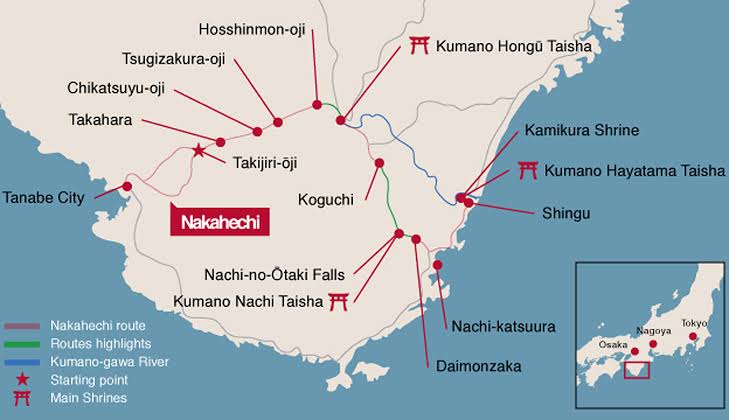
We only spent 3 days there, covering the section from Kumano Hongū Taisha(*) to Kumano Nachi Taisha(*).
(*) taisha: There are various terms used in conjunction with Japanese shrines (神社, jinja), such as taisha (大社) and jingū (神宮). The term taisha was originally a way of referring to a particular shrine in Shimane Prefecture, later (before the Second World War) this shrine title was given to places of Shinto worship nationwide and refer to places with a particular historical background. Shrines that harbour a deep rooted connection with royalty are called jingū in Japanese.
Kumano Kodō / “Sacred Sites and Pilgrimage Routes in the Kii Mountain Range.”
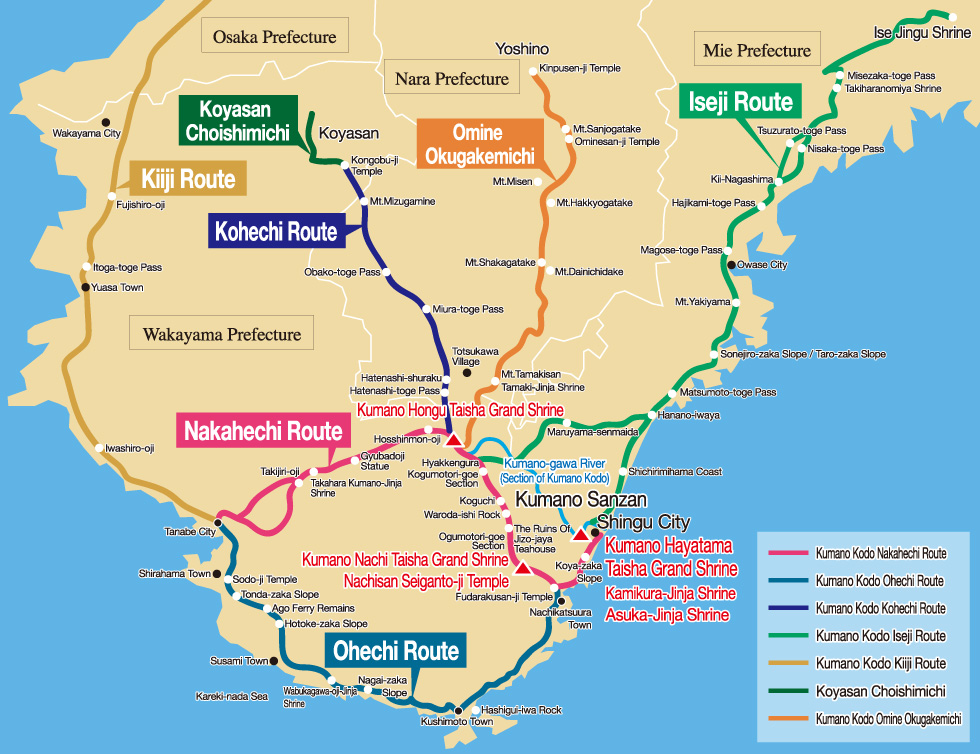
Declared as UNESCO World Heritage Site in 2004 under the name “Sacred Sites and Pilgrimage Routes in the Kii Mountain Range.”, Kumano Kodō is in fact several pilgrimage routes, we only chose one and even from that one, just a tiny bit…
A few notes about these pilgrimage routes: These routes became famous as the aristocracy and even emperors undertook these pilgrimage and as it is linked to Kumano faith. During the 11th to 13th centuries pilgrimages to Kumano by the Imperial family were repeated almost 100 times. When imperial court undertook this pilgrimage from Kyoto, it would take them 30-40 days… it became such famous pilgrimage that up to ~600 people would form a caravane along with the imperial pilgrimage! The Kumano faith was unique in Japan because it was open to everyone regardless of class, etc.
Shingu city


(job conditioning)




Yunomine Onsen
Next day we took a bus to get to the starting point of our own little version of pilgrimage… but we also too a day to visit around and enjoy the natural Onsen water – no need rushing! The weather was wet anyway!!


Little trouble to get to our starting point… but no shame in U-turning with public transport… just need to be and stay zen!

