
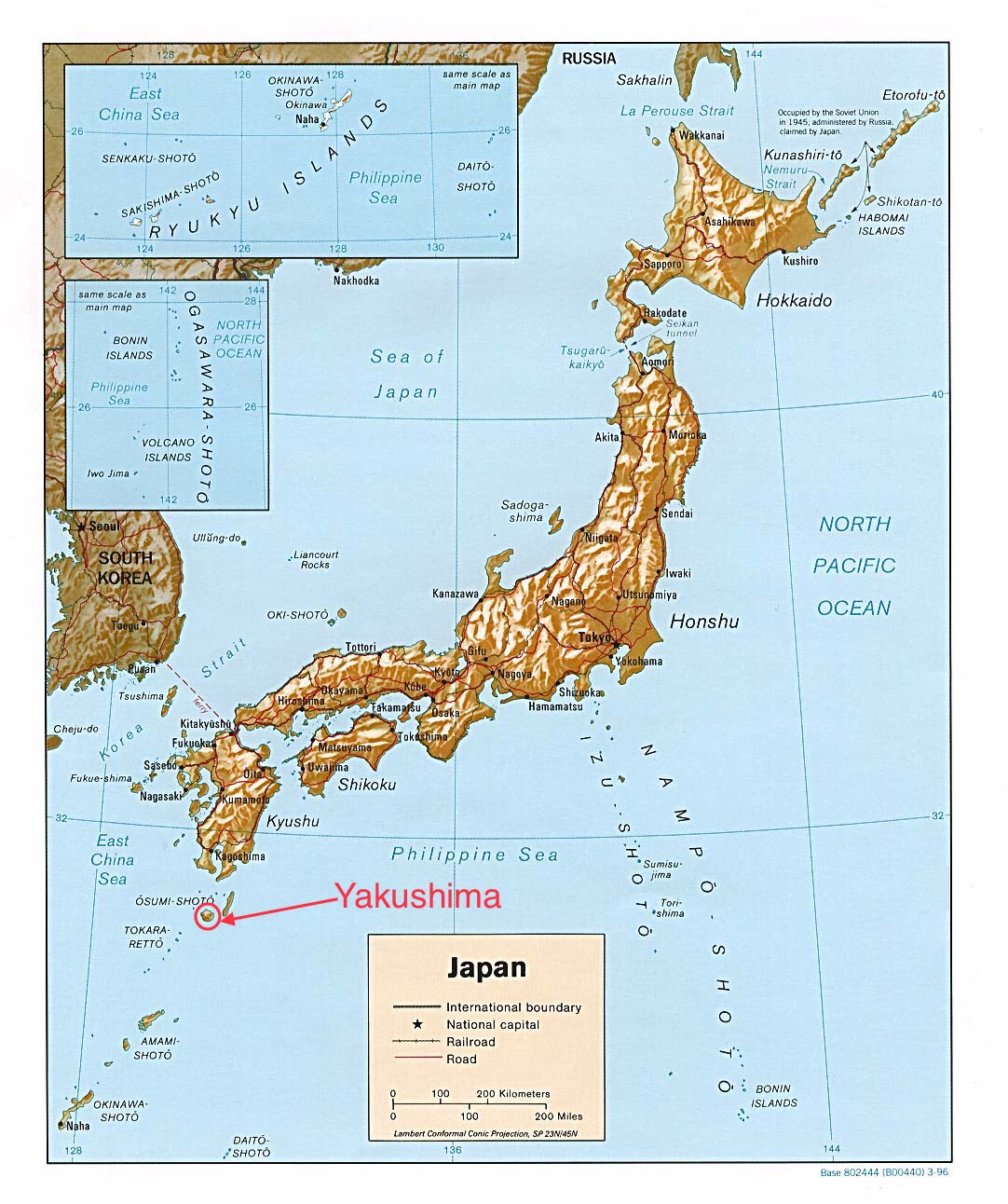
Back to southern Japan, this island is south of Kyushu (*), but not as southern as Iriomote! Just some 80-90 km south.
(*) strictly speaking Yakushima is part of Kyushu, since the island is within Kagoshima prefecture, but it is a different island south of main Kyushu

It is very popular and therefore attracts lots of tourists, especially since it is designated at UNESCO World Heritage Site ( since the 90’s ) – but it is still worth it and maybe winter is the best period for a visit, certainly less tourists, but then be prepared for some weather!
We did the tour in 5 days with a rented car…
We could have spent much more time, but we still had a good taste of what the island had to offer: amazing forests with gigantic secular trees, very peculiar ecosystem, great walks & climbs, superb coastline, warm sea, hot springs, interesting and unique history.
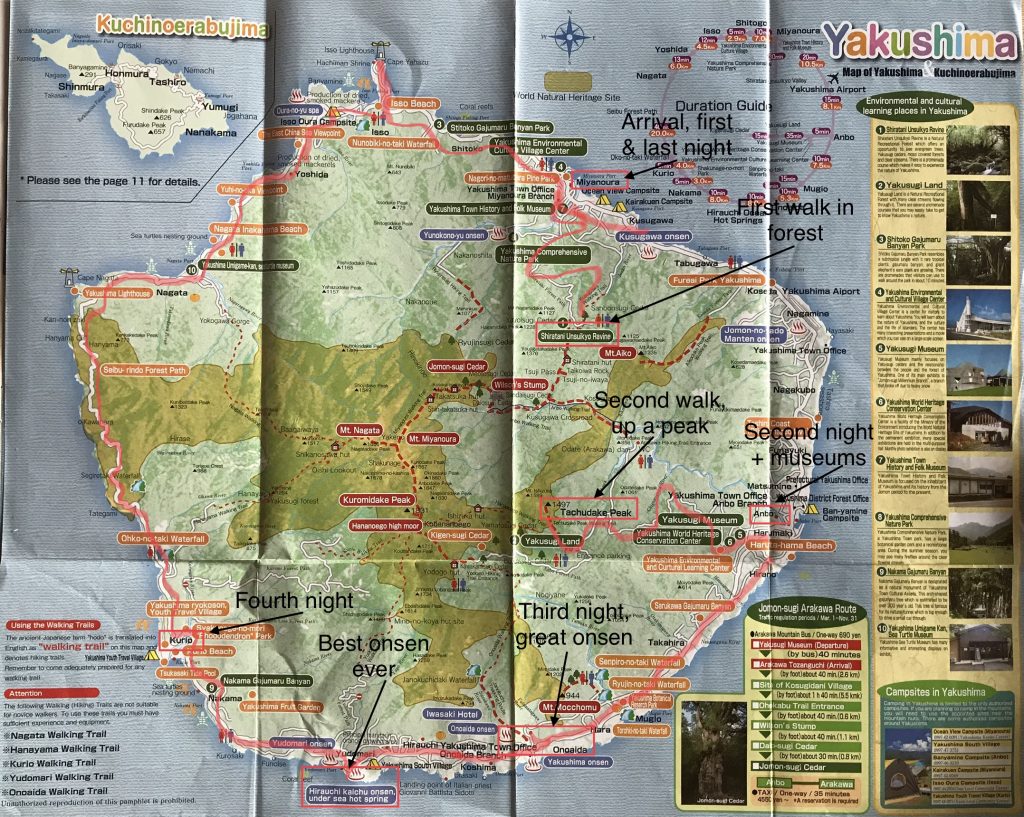
On our arrival, early hydrofoil from Kagoshima to Miyanoura, we were welcomed by the usual Yakushima rain and Steve – our guide for the day.


What has made Yakushima famous for centuries and one reason it was designated a World Heritage are the surprisingly old and large Sugi (Japanese cedars, Cryptomeria japonica) trees, therefore called Yakusugi. These trees are more than a thousand years old, diameters often above 2m …

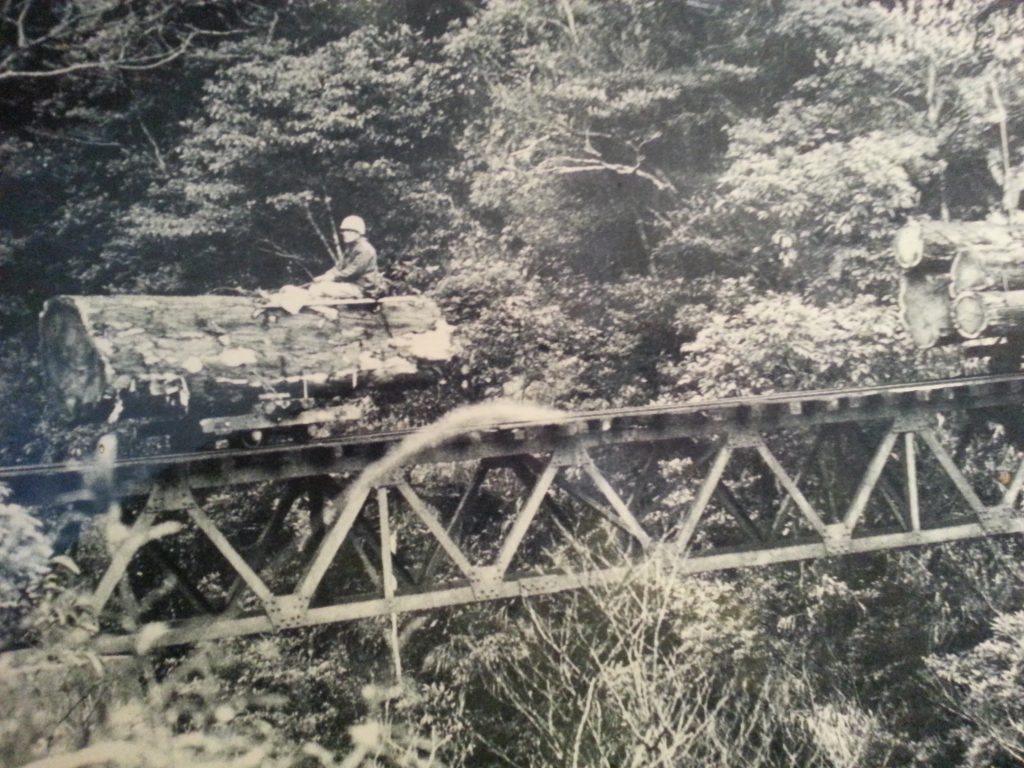
… most were harvested either to build / re-build temples or to make roof tiles => shingles.
This took place mainly in second half of Edo period ( mid seventeenth century), before that, these trees where in parts of the mountain that locals considered as sacred, a divine area (Oku-dake).
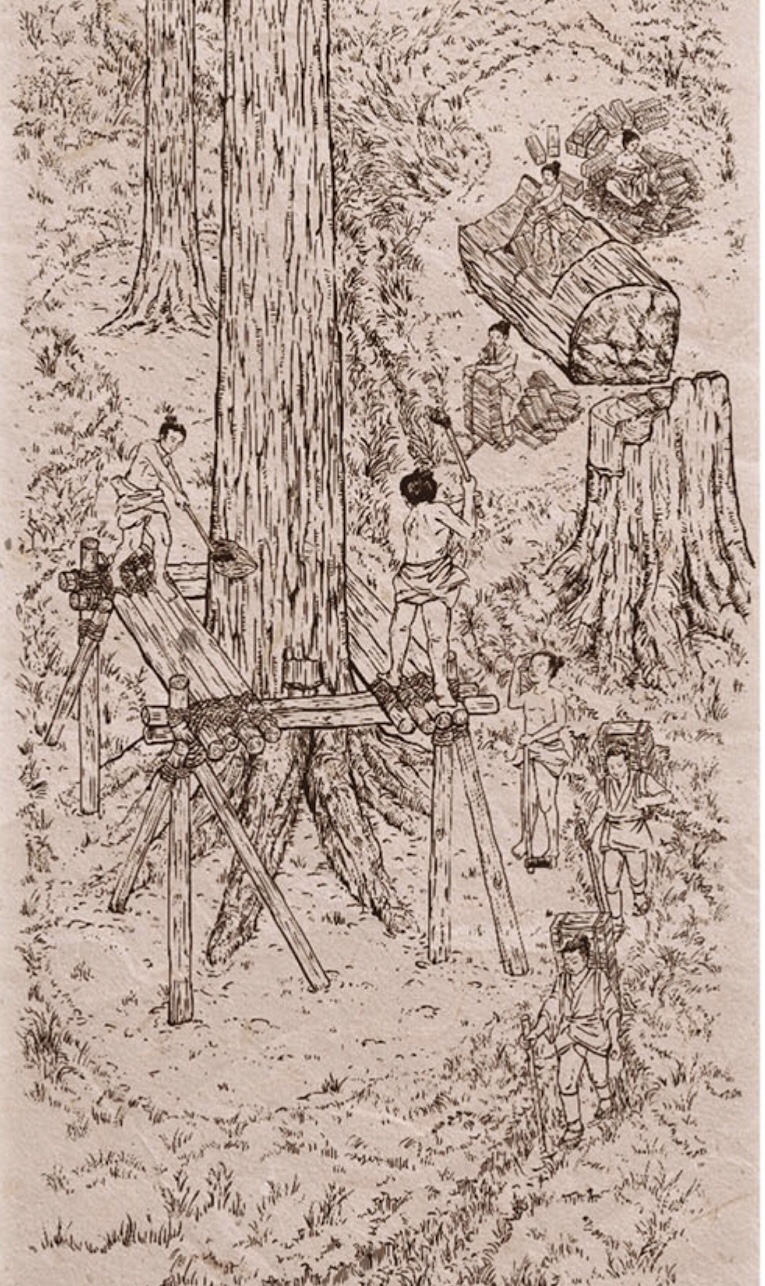
Around 1635 a Confucian priest declared it was ok to go up the mountain and cut these giant trees – and guess what… he worked for the Satsuma clan! The same ones collecting the tax and in need of that wood and shingles… The sugi tiles (Hiragi) could be converted in rice equivalent, so locals could pay their tax to the shogunate, as Yakushima is not a good place for rice culture, and rice was like money in those days in Japan ( I presume…).


For tiles and to build temples, the thousands of years old Sugi were perfect! Now when you think about it, it sounds sacrilegious… but it was different times. Luckily, they did not harvest it all, the ones that are left are usually not perfect, with strange form etc… or stumps!


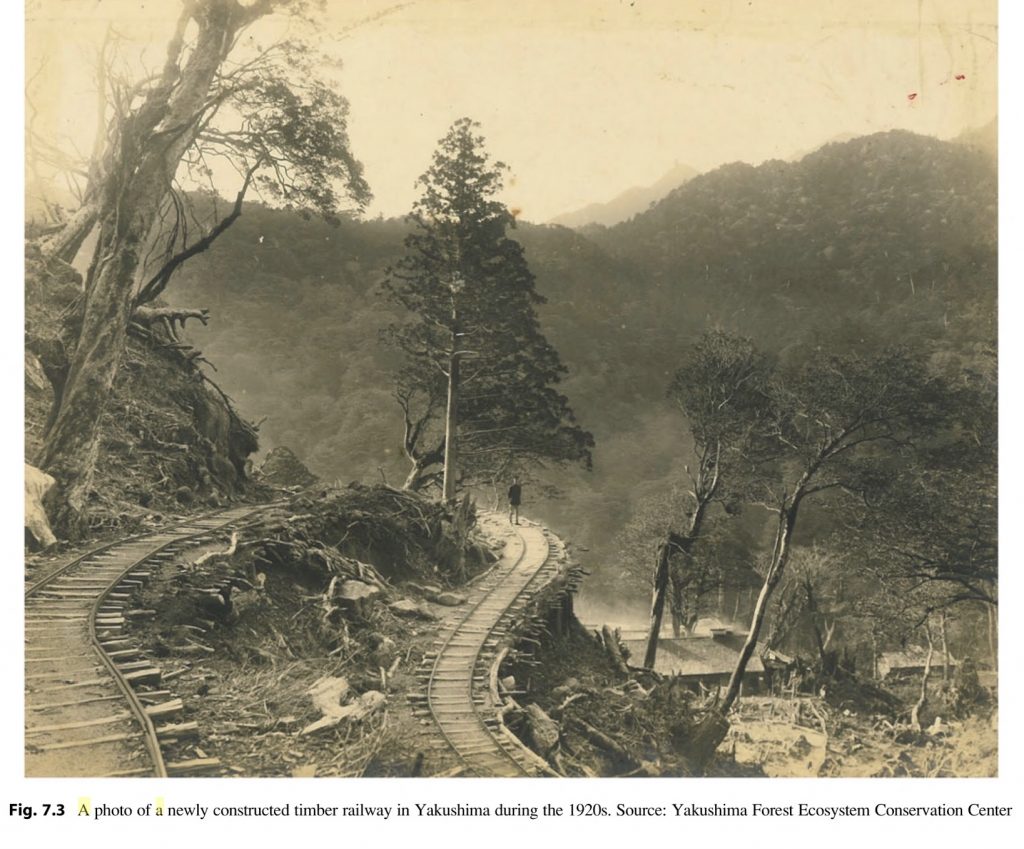
Later on with mechanisation and increased need of wood due to second world war, harvesting of these Sugi trees intensified although by then the biodiversity value had been recognised. It is only around 1970 that it really got under real preservation control.
What allowed such old and big trees to grow on this island is due to the Yakushima specific ecosystem and tree adequacy: it rains a lot, a lot, it is most of the time overcast, the terrain is made of a granite(*) that crumbles into small pebbles very easily, but not too fine… all of this makes the soil very poor. The undergrowth is mostly made of moss, all kinds of moss! There is in fact relatively little soil, the Sugi’s themselves do not decompose easily at all – apparently, they have much more resins than other woods.


So as a result, the Sugis of Yakushima grow much more slowly than elsewhere, which makes them more solid, therefore more durable… which is also a good thing when you think they also have to resist the usual hurricanes that pass by on a yearly basis. All seems to fit well to make this place the home of those Yakusugis!
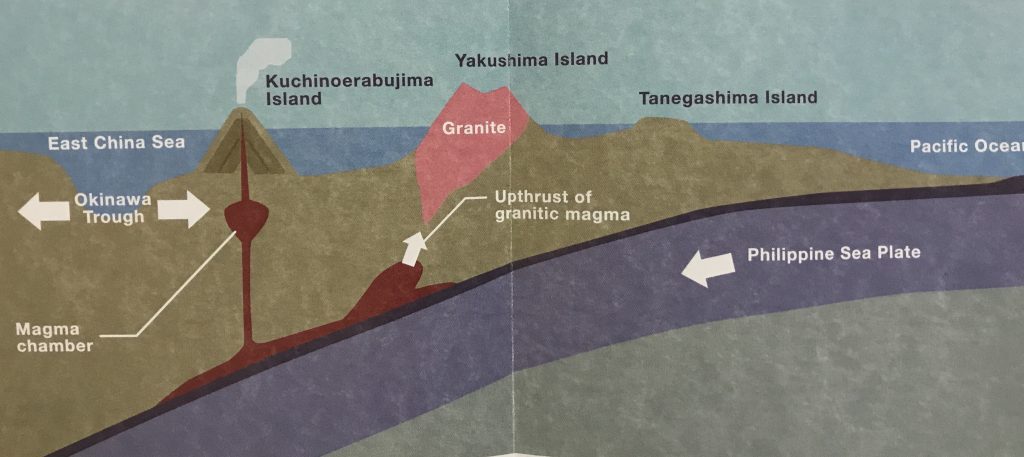
(*) Note: Although at first glance on a map, Yakushima would look like an island made from a volcano… it is almost a perfect circle, 20km in diameter, with in the middle mountains reaching 1800m! … this island is in fact made of granite that formed under the ocean and was pushed up by the moving plates.
Another fascinating phenomenon which we saw and was explained to us, is what is called second or third generation trees… what happens is that either a giant Sugi breaks due to natural causes or it was harvested and the stumps is what remains of it, then because the vegetation is so vigorous in those parts, and thanks to the moss that invades all surfaces and provides a nutritious stratum, new trees grow on the remains of the old one. That makes a second generation! There are examples of 3rd generation!! That requires a long time and very tenacious and vigorous trees!


When this occurs on Sugi you can usually see the 3 generations…
But when the first generation was not a Sugi, it eventually rots and leaves a cavity – we saw many of those too, some you can walk under, like it was a tunnel!


… we could go on and on about those trees, the forest and its interconnection with man history. Steve our guide and the local museum was rich of information on that topic, but let’s move to other treasures we found on this island… =>>